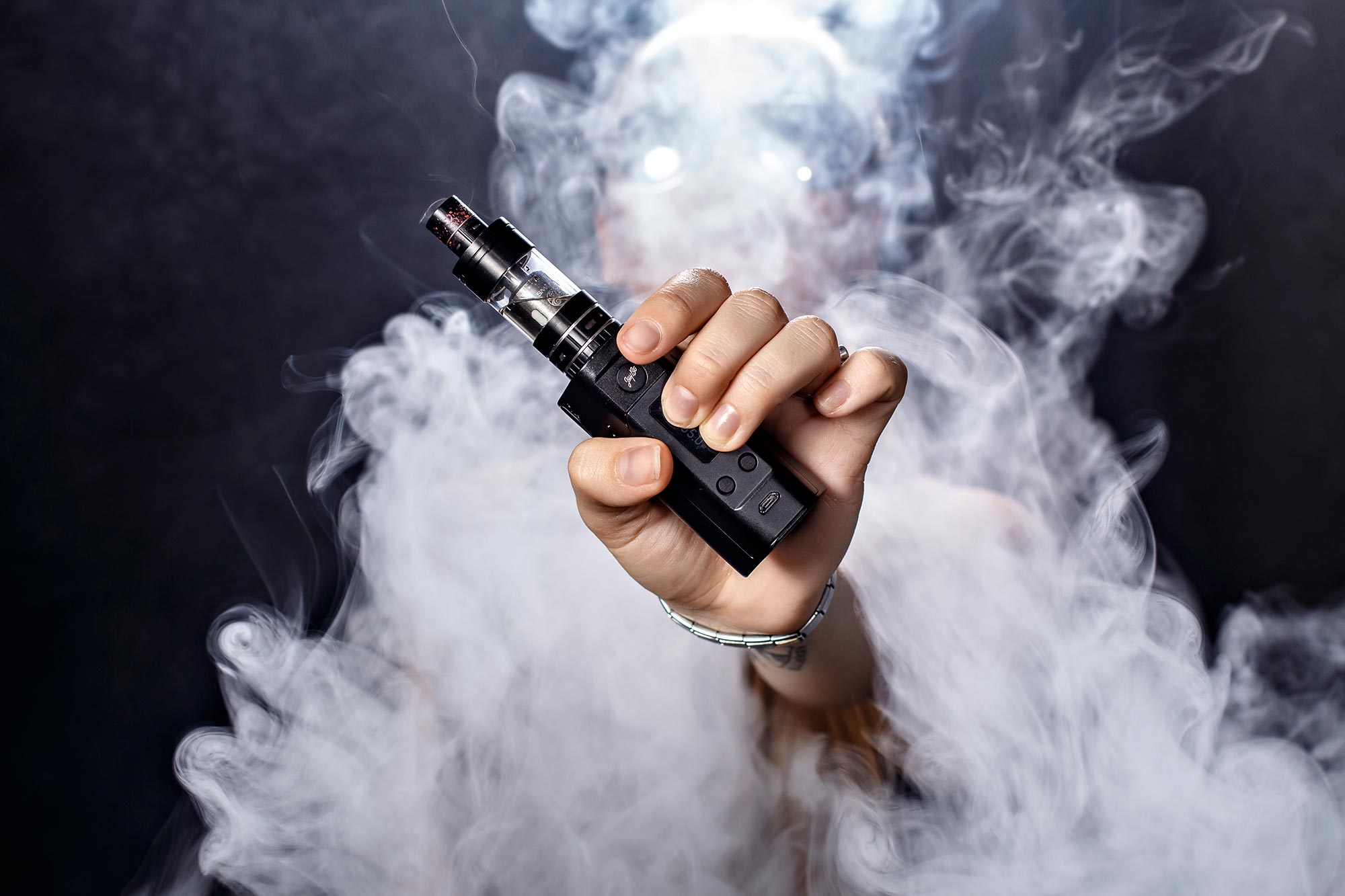
If you visit vape stores or vape websites, you’re likely to see a wide selection of colorful pods, cartridges LoneStar Vaping and bottles filled with flavored e-liquid, or vape juice. The vape juice is heated in e-cigarettes and vape rigs, and it creates an aerosol that users inhale.
Vape juice comes in a variety of flavors, including candy, bubblegum and children’s cereals. Johns Hopkins cardiologist Michael Blaha, M.D., M.P.H., discusses vape flavors and other e-liquid ingredients, and how they may affect health, particularly for children and teens.
What is in vape juice?
Flavor is just one of the ingredients in e-liquid. Vape juices usually include nicotine and many other additives and chemicals, and Blaha says the unpredictable variety of ingredients is a problem. Even the heating coil, which allows the liquid to become an inhalable aerosol, releases new chemical substances and trace metals that go into the user’s lungs.
“There are so many ingredients in e-liquids, and to date, no one is taking responsibility to account for them,” notes Blaha. He explains that while there may be production standards for commercial e-cigarette companies, standards for vape shops, off-brand online vendors or “homemade” vape juice blends are less consistent.
“Vape juice can contain a variety of things that could be toxic,” Blaha says. There can be flavors, dyes, nicotine, THC (the ingredient in marijuana that causes a “high”) and other substances. “There are all kinds of concoctions,” he says. “For example, there are reports that people may put essential oils, multivitamins or traces of medicines into e-liquids.”
Is vape juice safe?
Some of these additives found in e-liquid are dangerous — even deadly. For example, vitamin E acetate has been indicated in EVALI, which stands for e-cigarette or vaping product use associated lung injury. This is a potentially fatal syndrome associated with vaping, and it was on the rise in 2019. Vitamin E acetate is OK to eat, but dangerous to inhale.
“There’s no doubt about it,” Blaha says. “Some of the chest X-rays of patients with EVALI show signs of oily chemical irritation of the lungs.
“So when it comes to inhaling vape juice, we don’t know what’s ‘safe.’ You may be able to eat something safely, but if you inhale it, there may be a harmful effect.”
Blaha says there’s limited evidence that vape juice flavors themselves are dangerous to individual users. But there are unknowns — research suggests that flavors, when combined with other vape juice ingredients and heated, can create new compounds that may be harmful.
Inhaling harmful substances can affect more than just the lungs. Some vaping enthusiasts describe a phenomenon called vaper’s tongue, which causes a sudden full or partial loss of the ability to taste.
 Site Title
Leave a comment